by Mimi Hedl
How quickly the height of summer has changed to the approaching autumn. I feel both relief and sadness. Walking the paths of the garden doesn’t require a scythe; everything has lightened up, lost weight, let go of their earthly bounds. I can see under the wire frame that the cucumber vines clambered over, pull the grass growing there and wonder if it’s too late to plant more beans. My mind starts to list all the cool weather crops we can plant.

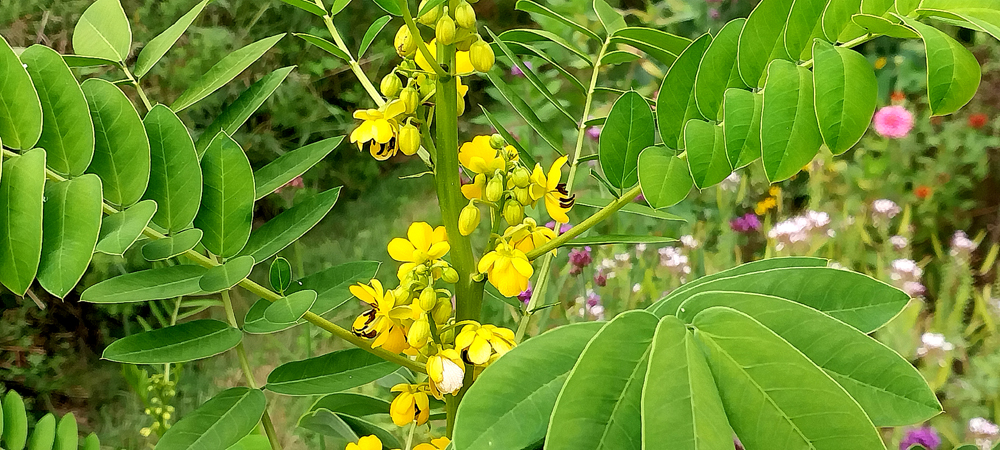
I take note of the skullcap, parsley, Rocky Mountain cleome and countless other plants making seed, some ripe and the head gardener reminds me we must not wait to gather them. Of course she is correct but I haven’t come to terms with saying goodbye to summer, when the house over flows with seed. The coming week of brutal heat should cure me, and probably will, but it’s like all transitions, it’s not easy to let go. Maybe that’s why I shy away from extended goodbyes. After all, isn’t every moment of our lives a slow farewell? Yikes! don’t let the head gardener hear that. You know exactly what she’ll say. I think of Ronald Reagan every time, “there you go again…” and for all I know, she doesn’t remember Reagan, it’s just her way of looking at my philosophical musings that she so disdains.
Seed collecting doesn’t begin in late summer. In spring we collected the first seed, from chervil then the Flander’s poppies. Every week this summer we’ve collected seed from several species. The seed pods first go into a paper bag, a five pound flour bag or a large grocery sack. Some seeds, like the poppies, are so small they get threshed directly into a bowl then poured into a seed packet. If not, the tiny seed would get trapped in the folds of the bag and then mixed with whatever variety landed in that sack next.
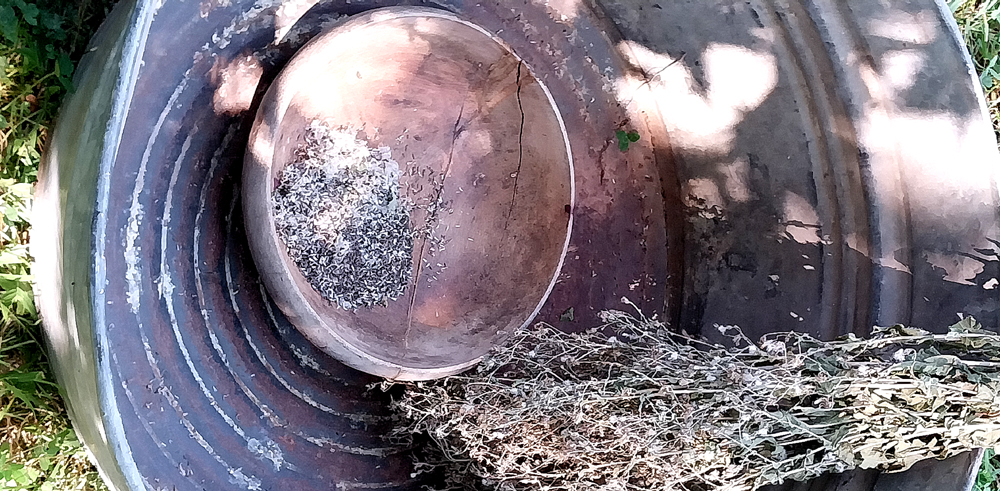
We put these sacks on top of the wood box inside, clipping them shut with a clothespin so no mice can decide to investigate and end up feasting on a MRE. (Meal-ready-to eat in the military). Of course we learned the hard way and mourned the loss of valuable seed. When the wood box gets too full, we’ll take the time to thresh seed, always learning more efficient easy ways to do that too. Then the seed gets packaged, labeled and set aside to store appropriately in a cool dark spot.
This year my friend Agnes harvested the wild geranium seed, geranium maculatum. She cut the plants back and threw all the tops, where the seed was, in a big feed sack. We thought the seed would fall off and then sink to the bottom when we shook the bag. I’d never harvested the seed before. I thought about calling the crew up at Missouri Wildflowers and asking, but I didn’t want to bother them. I should have. The seed stayed attached to the tops and we had to go through the entire bag and laboriously, on a rainy day, separate out the seed after we decided just where the seed was. Next year we’ll know. That’s why I suggest to all new seed saver’s that they save some of the original seed, so they can see what it looks like and not feel confused when they go out to collect the seed.
Now we have two varieties of lettuce going to seed. They’re close to each other and will cross pollinate. We cut back the Cimarron lettuce seed heads and allowed the ‘really red deer tongue’ lettuce go to seed.(It IS really red and in addition, delicious!) The Cimarron lettuce will make another seed head later, plants never give up, and by that time we’ll have harvested the ‘really red deer tongue’ seed, so no problem. We’ve been stalking all the wild lettuce around too, as if it crosses with any of the domesticated varieties, the saved seed will produce bitter, bitter, lettuce.
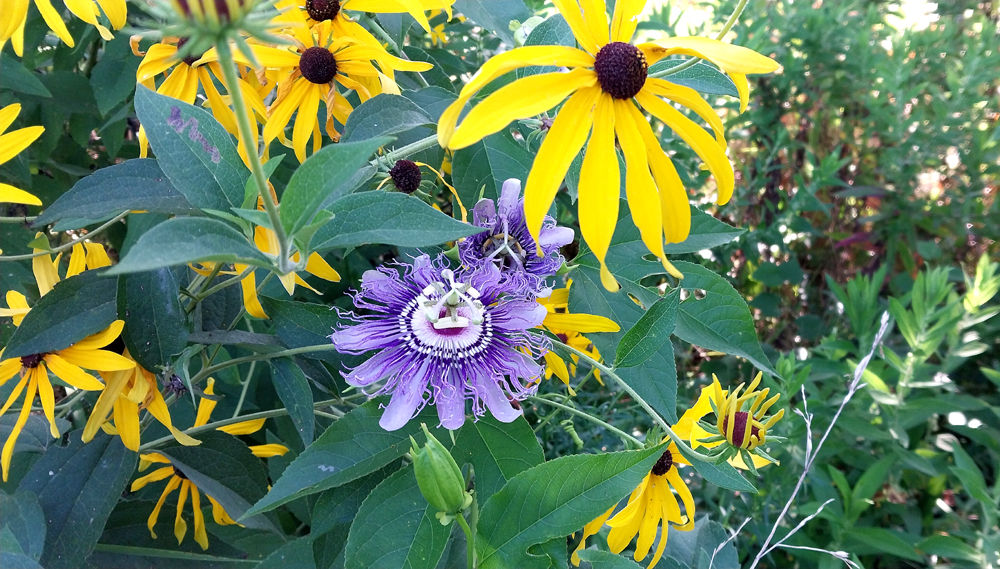
The shapes, sizes, textures, colors of seeds and the pods they may come in fascinate me. We strung strings across one section of the ceiling so I could hang seed pods there. After 30 years, those hundreds of bundles of seed pods became filled with dust. A textile artist was visiting when I said I was taking them all down, she asked if she could have them. How convenient, I thought. We piled them into her van and she headed home to Texas with her enormous dog and slightly obnoxious boyfriend. I never heard what she did with them, but it made me feel good to pass them on, though I had to explain this to the compost pile, that had eagerly awaited the fresh ‘blood’.
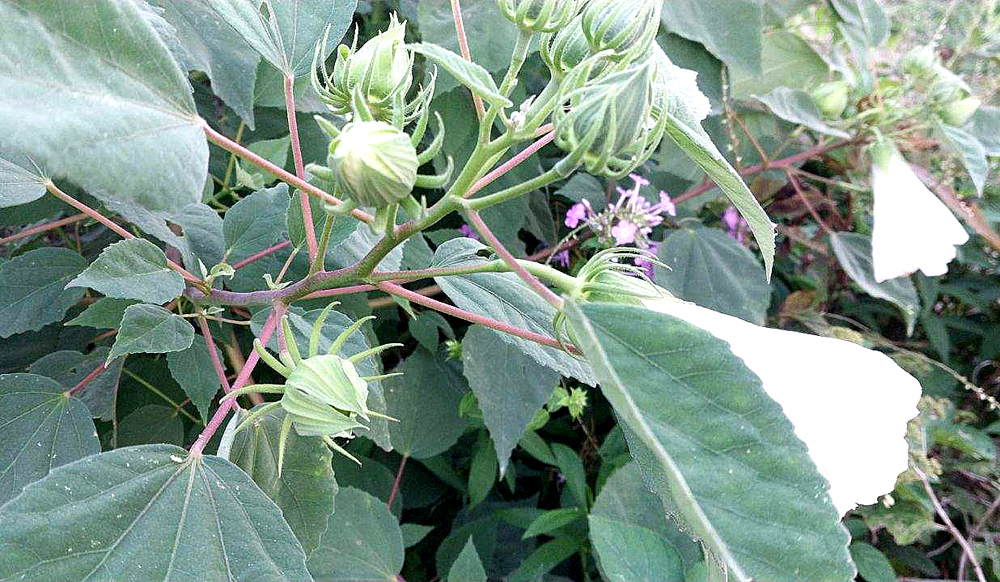
As much as I love seeds, some seed simply has designs on domination. I cut back the hibiscus to keep it from being a mono-crop in the flower gardens. And then I pull up every seedling that manages to sprout before those roots can go down in calculated aggression and take hold of every square inch of the underground world. “Know thy plants! And their seeds” This adage should be inscribed on every gardeners frontal lobe to reduce the chances of losing control of our gardens. Do not be seduced by beauty! Nip it in the bud. That’s our only course of control. And don’t leave the seed stalks laying around. To the compost immediately. Some seeds will mature even when the seed stalks have been cut down, of course not the seeds you want, but rather the seed of those pesky plants you’re trying to rogue out.
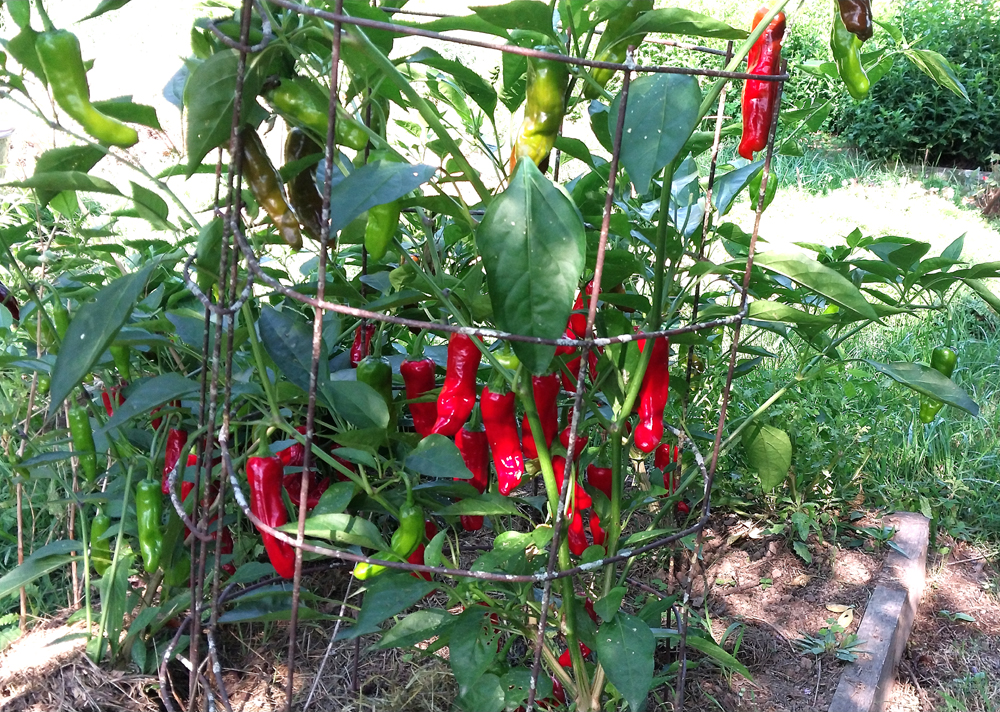
The fall rains will begin with the cooler temps. Now the gardens look tired, worn out, having given their all. When the rains do come, we’ll witness another transformation with the asters and goldenrods of many species providing nectar for the migrating monarchs who have begun to appear. The maestra may have her baton but it’s merely ceremonial. She follows the lead conductor and bows graciously at the mysteries of this universe.
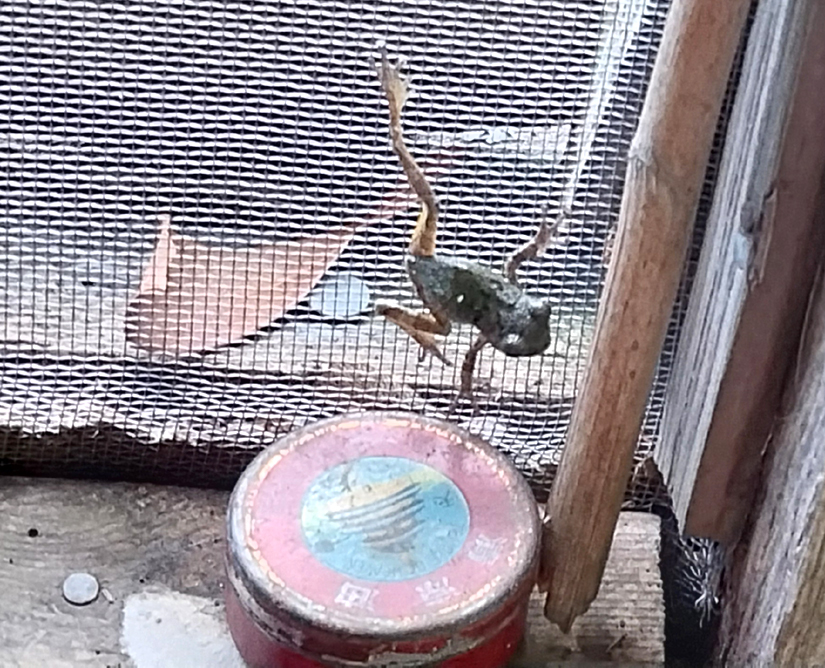

There’s always something interesting to observe on the farm.

 How I Learned to Cook, an Artist's Life ─ Barbara Shark