by Mimi Hedl

Would you laugh at me if I told you planting a garden in spring is like conducting a symphony? A symphony composed by Mother Nature. I follow her cues, sowing seed or planting plants when she deems it the proper time. I’ve never thought about the garden in quite this way before. Somehow all the staging that takes place when a large garden’s planted, how each piece feeds into the next, made me see this comparison.
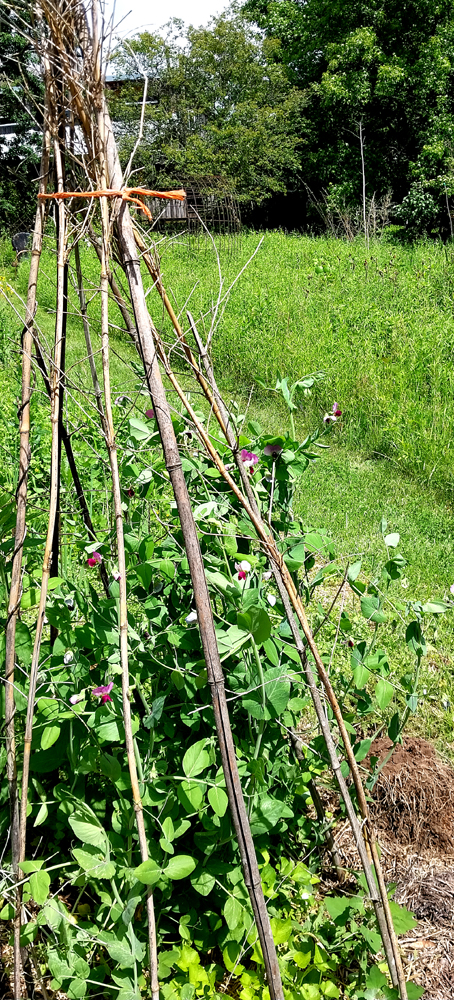
My symphony doesn’t follow the usual order of sonata, adagio, scherzo or minuet, and then the rollicking finale. The opening of this symphony begins slowly with an adagio on Valentine’s Day and the sowing of lettuce seed when all seems calm and possible; the arrival of the hopes and promises newly imprinted on our winter weary minds. With the cool weather, planting seems leisurely. We walk around as if we own the world. Neither the head gardener nor I feel the pressures that will come. The Irish potatoes go in on St. Patrick’s Day, peas too with their bamboo teepees. Still dressed in winter clothes we exude confidence, smiles come easily. Greens and brassicas follow soon thereafter. Everything takes their turn. We rest. We weed. We think about summer. The conducting seems gentle.
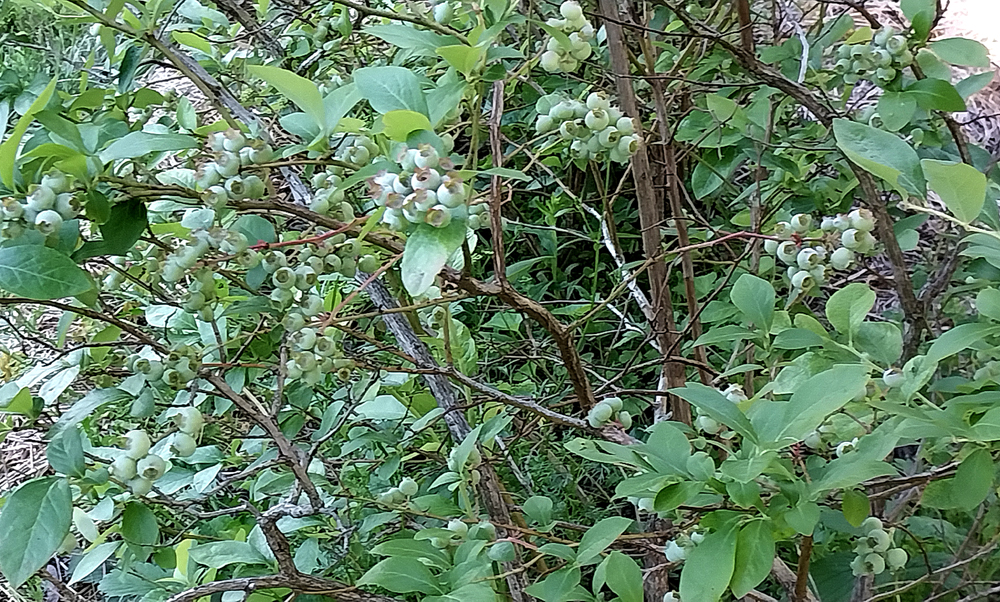
After weeks of little activity, the temperature rises and Mother Nature insists the sonata begins. All hell breaks loose. The warm weather crops shout for immediate attention. Everything feels tired of sitting under the lights, their roots feel bound in pots. The tomatoes especially want to go into the deep earth. Peppers and eggplants want to see and feel the sun. The head gardener and I make frantic looks at each other. She complains I move too slowly. I scowl at her. We run into each other’s wheel barrow. And the conductor waves her baton in grand gestures.
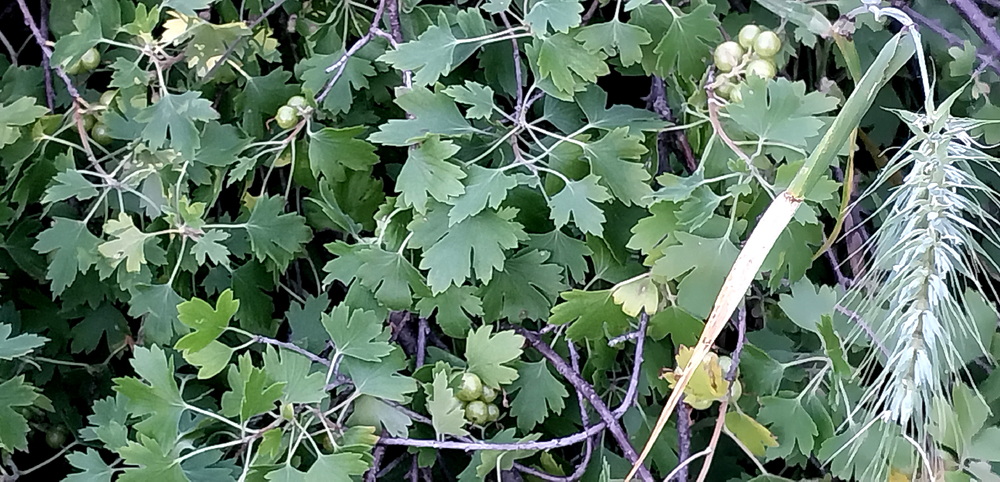
I used to make gigantic pushes to get these crops planted in a few days. Everything from tomatoes, eggplants, peppers to melons and squash of all kinds, then beans of many colors to herbs and flowers.
Yes, I’d feel exhausted after this push, but my body recovered quickly, and I didn’t see the work as anything other than what I did. Now I see it as heroic. My eyes bug out when I watch young people do magic in moments and think, ”that used to be me”. I have a message in front of old journals, reprinted spring after spring. In bold, capital letters: DO NOT PANIC. IT’S SPRING. IT TAKES SIX WEEKS TO GET EVERYTHING UNDER CONTROL. Now, I would amend that pronouncement. I wouldn’t use bold or capital letters. I’d make no guarantees. Six weeks? What a laugh. I might say something like, “All in good time. Relax, enjoy your good fortune.” And my sonata now seems more like an adagio.

In fact, my entire symphony may seem more like a prolonged slow, lyrical movement. I can’t follow protocol anymore. Or, like Ron, choose not to. When we went to Hilary’s graduation from the Naval Academy, Ron wore his Marine Corps dress blues for the ceremony. He felt proud that the uniform still fit. He had a pony tail and a mustache. Commanding officers came up to him to shake his hand after looking at his medals and ribbons, realizing he’d been in Korea. One of the officers motioned to his mustache. Ron looked at him and smiled, “Age has its privileges, sir.” And the officer laughed and smiled back.
This May, when I came to the part of the symphony when the beans moment arrived, I sat on the summer kitchen with our bean seed collection, a bowl, and the compost bucket. I felt nostalgic looking at the dozens and dozens of varieties we’ve grown over so many years. A few names: Molly Frazier Cutshort, Foot-long Green, Purple Yard-long, Christmas Lima, Dixie White Butter Pea, Greek Gigante, Goat’s Eye.
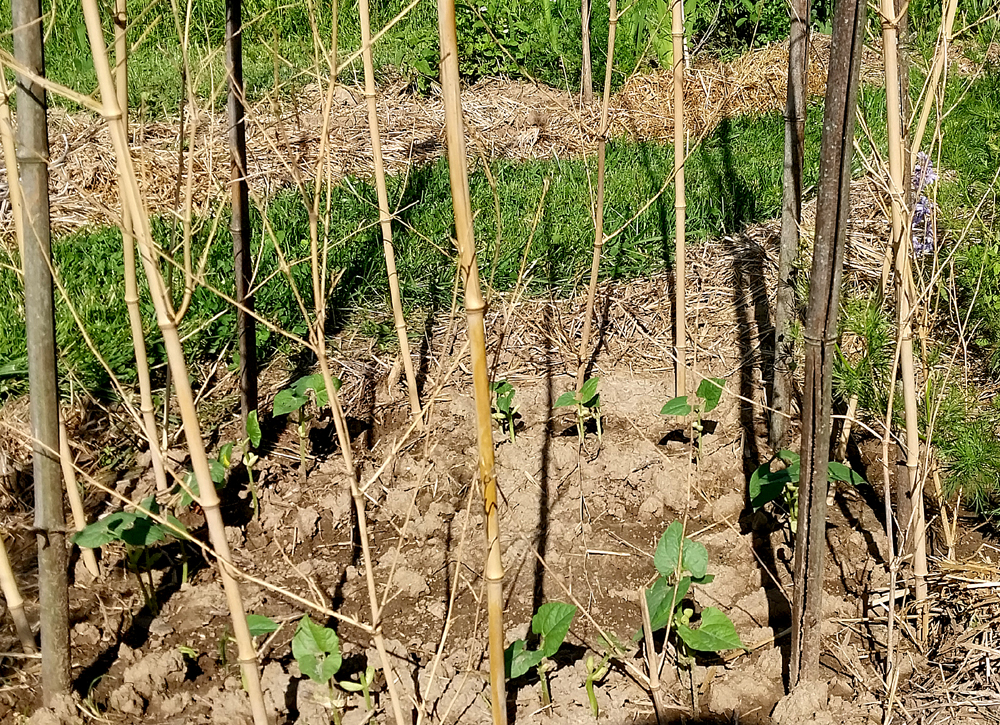
Any seed not grown out for eight years went into the compost bucket. I knew they’d germinate for me, but for the average gardener who uses fast-acting yeast and wants immediate gratification, I knew it would be frustrating to wait and wait for the seed to germinate, so no sense taking them down to the seed bank at our local library. The compost has an insatiable appetite and as I dropped the seeds into the bucket, it felt like a gentle offering to the earth. I wasn’t throwing them away, I was giving them back to where they came from. The newer seed went into the bowl. These seeds would feed my body. A last hurrah for them. I had them with lamb’s quarters. Beans and greens, a favorite on Strawdog. There are still six or eight favorite varieties like Borlotti and Anasazi that we’ll keep going as long as the conductor still conducts.
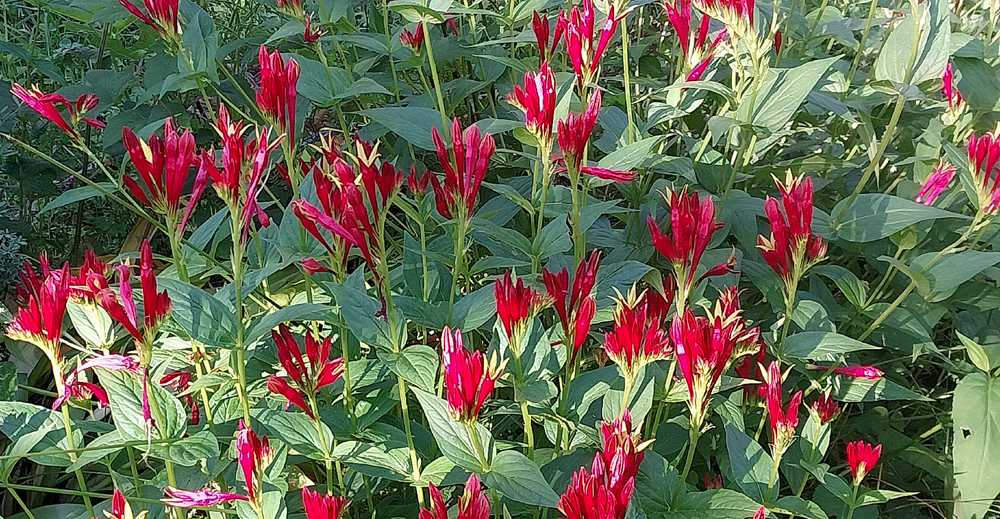
Each day the music continues, a slow minuet rather than a scherzo. Finally the day arrives when the finishing touches, the herb and flower seeding begins, tying all the crops together with their beauty, fragrance, so that I and the head gardener feel stimulated. The enticing nectar and pollen activate the pollinators and their work for successful fruiting. The seed packets, bags of seed that have waited on trays have now found their way into the warm earth. The symphony’s rollicking finale.

With a sigh of appreciation and relief we rest over Memorial Day weekend and at least one of us bows her head in memory of all that came before. The other one is plotting and scheming what will come next. It feels wonderful to collaborate with Mother Nature and to watch each seed pop out of the earth, bear fruit over the summer and then seed in the autumn. The symphony continues. No conductor needed.

 How I Learned to Cook, an Artist's Life ─ Barbara Shark