The yucca are blooming

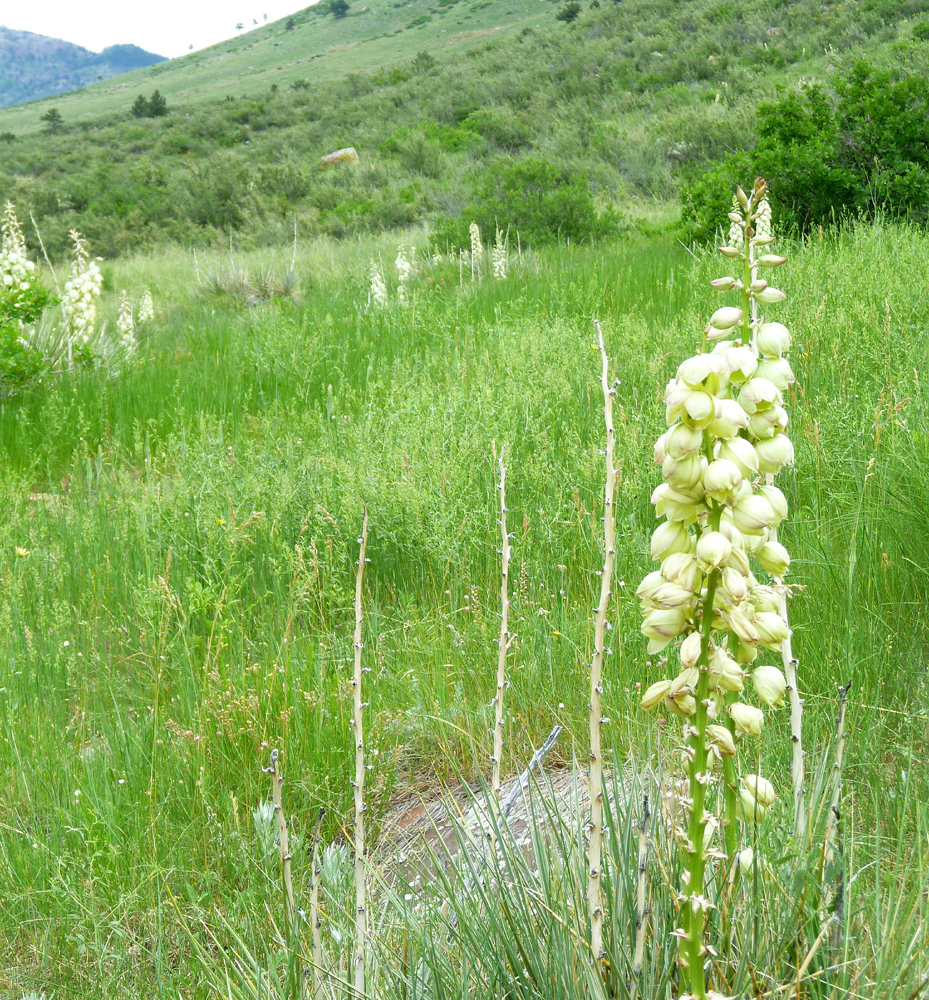
We have had a whirlwind of changeable weather. After the rains that draped our hills in green cloaks, the heat bore down making record temperatures. The last week has been rainy and cool. An abundance of wildflowers are blooming including our many yuccas. The hillside is dotted with their tall spires of creamy-white blossom. The deer and rabbits feast on these delectable petals and so do we.

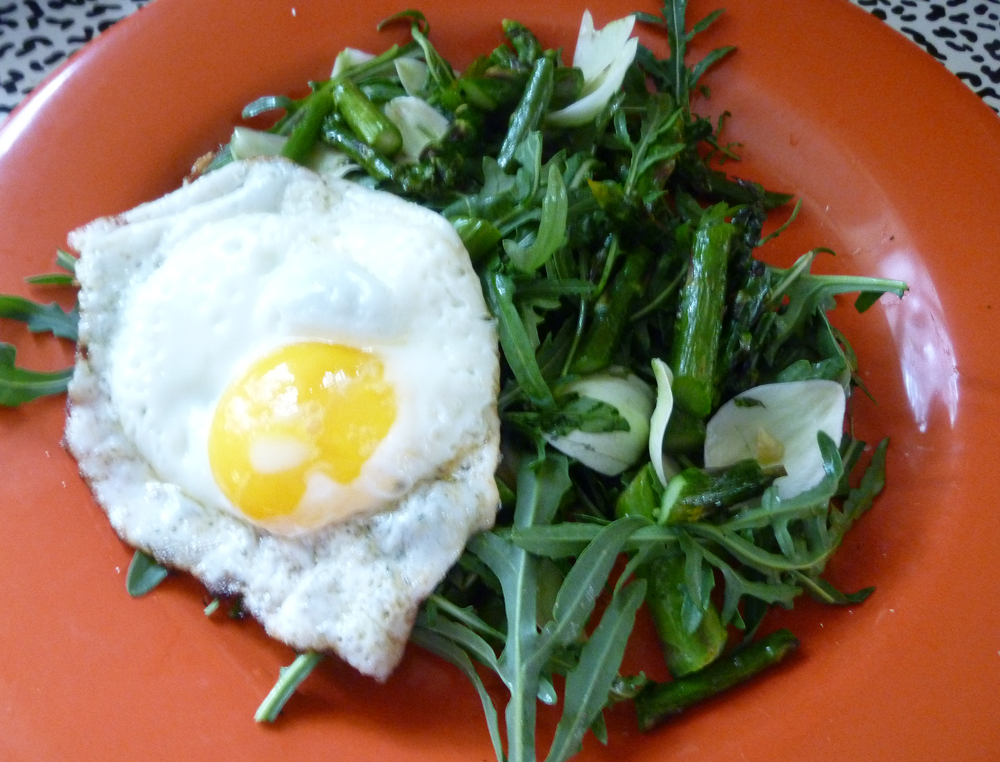
We eat a lot of salad, my favorite food. My concoctions take many forms and when once a year the yucca bloom I include the petals. I was inspired to add them to a NYTimes recipe for an arugula and roasted asparagus salad. The once-a-year flowers are crisp and slightly bitter.
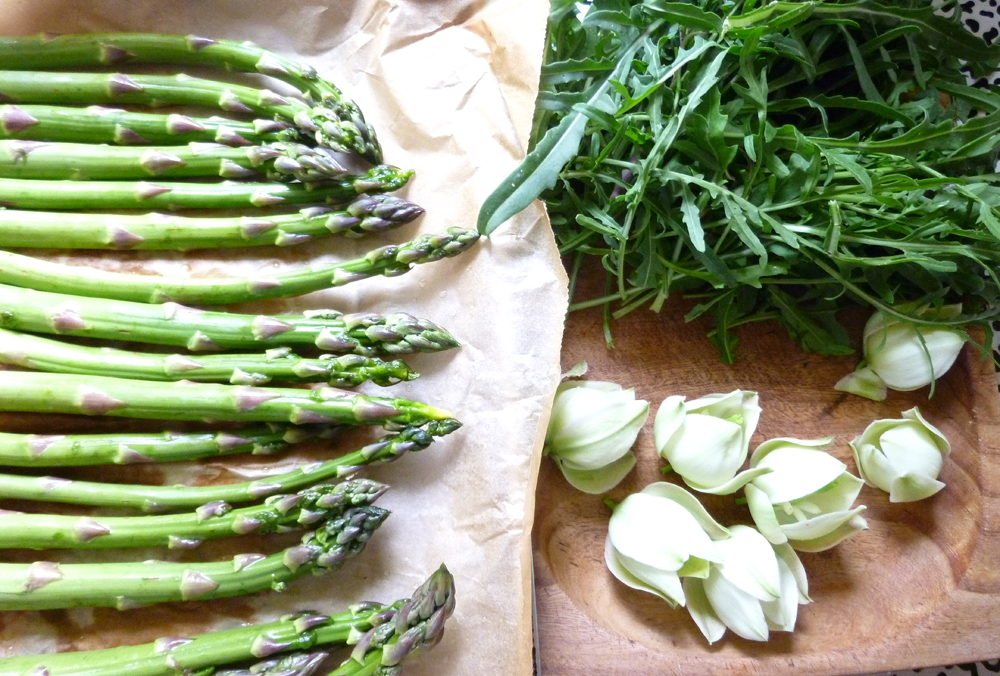
I roast asparagus in my toaster oven, a quick, simple way to achieve great flavor. Snap off the tough bottom part of the asparagus stalks and arrange on the oven pan on a piece of parchment. Sprinkle with olive oil and roll the stalks in the oil. Add salt and pepper. Put into cold toaster oven and roast at 400° for 3-5 minutes until just tender. Cool and cut into 1 1/2 inch pieces.

Toss with arugula, cut into bite-sized bits, the petals of 6-8 yucca flowers, and a vinaigrette made with a crushed and minced clove of garlic, red wine vinegar, olive oil, salt and pepper. Serve with a crispy fried egg.
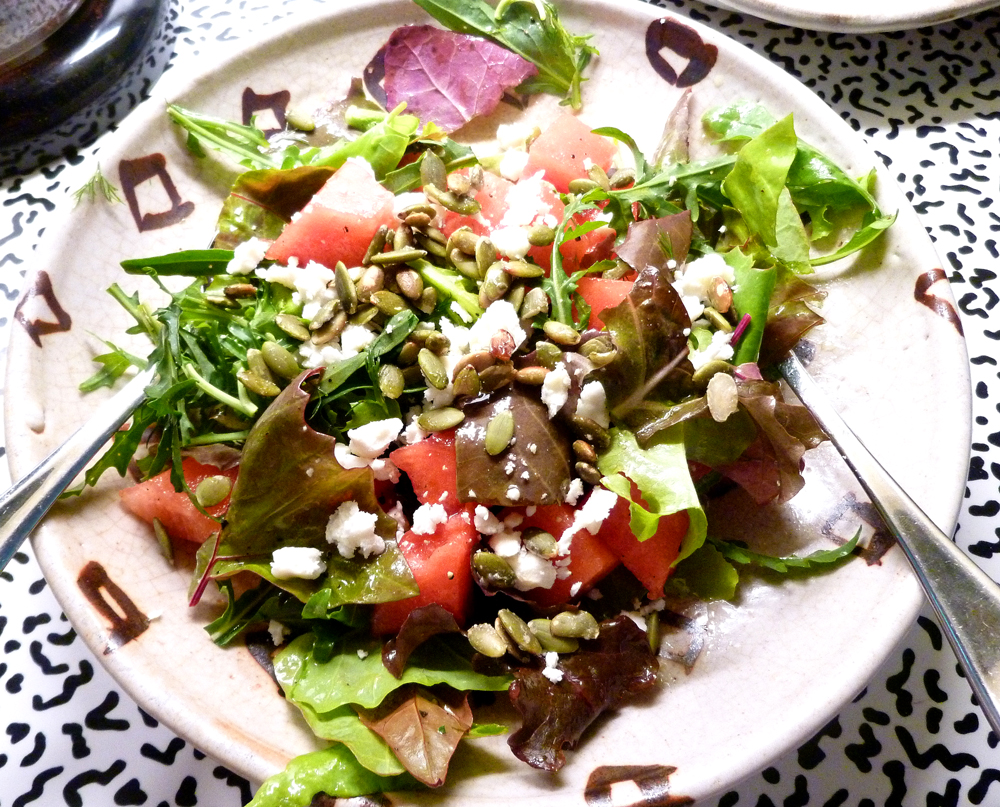
During our heat wave, salads were my go-to dish for supper. This watermelon and feta combo tastes great in the heat and is a complement to any grilled meat or fish. With the arugula going wild in my garden, I include it in all my salads. It’s particularly good with the melon and feta – a lovely, bitter counterpoint to the sweet, salty tastes.

Cut watermelon into bite-sized cubes. Add to salad greens and dress with olive oil, lemon juice, salt and pepper. Top with crumbled feta and a handful of toasted pepitas.
Then our weather changed to cool and rainy. The hills retain their green glow and we wear socks and long pants. I thought of cold weather ingredients and made a farro and celery salad.

Have ready a bowl with three stalks of celery sliced thin, a crushed and minced clove of garlic, the juice of half a lemon and some grated zest, several tablespoons olive oil, salt and pepper. Add hot chile flakes to taste. Cook a cup of farro until tender. Pour the drained, hot farro over the celery and dressing and leave to cool.
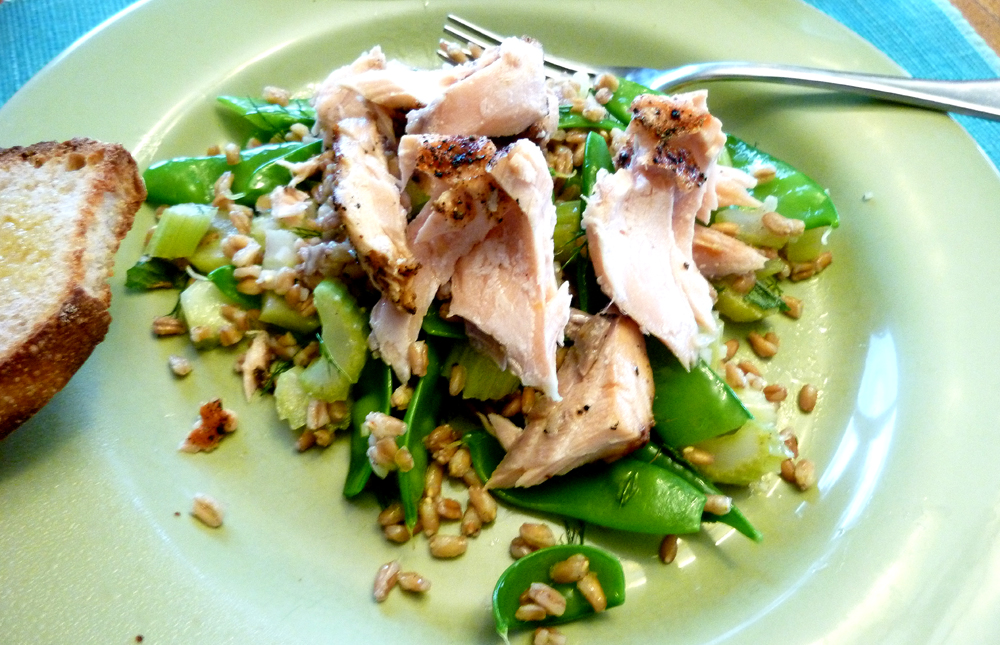
To make the dish more summer-like I added the first snow peas from the garden, lightly cooked, a few slivered mint leaves and fresh dill. We had leftover grilled salmon flaked on top. Toasted sourdough to accompany.

Who knows what the weather will be but I am thankful for the rain that helps my usually dry, struggling garden thrive.
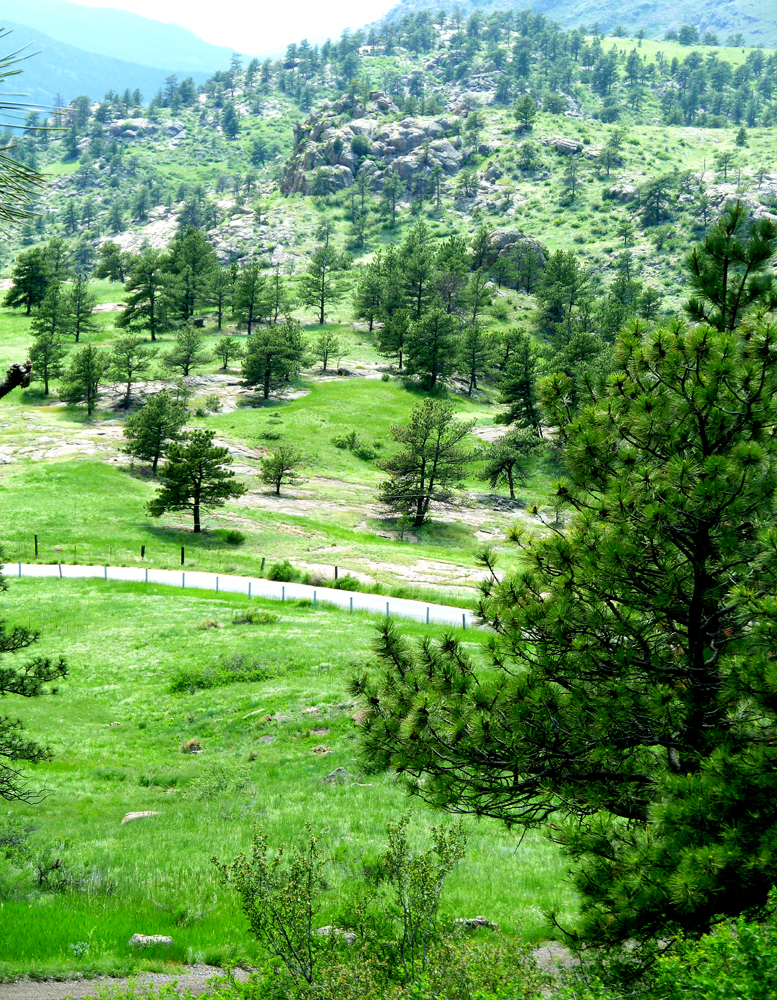
Late Spring on Blue Mountain Road

Our hillsides look like they could be in Ireland, a green carpet, at least to a Coloradan accustomed to our brown, sere landscape. Spring is busting out all over with an abundance of wildflowers, lilacs and apple blossom.  I’m cooking with early produce from my garden, arugula, lettuces, baby bok choy, parsley and chives.  Soon the snow peas and snap peas will flower.  I look forward to zucchini, tomatoes and Colorado cherries and peaches.  But not quite yet.

In the meantime I made a simple lemon buttermilk pound cake to go with store-bought strawberries and homemade yogurt.

This cake recipe is from Marion Cunningham in The Fanny Farmer Baking Book, a book I return to again and again for a range of dependable recipes for baked goods.  I make it in my Cuisinart but a mixer or a wooden spoon would do just fine.

Buttermilk Lemon Pound Cake

Preheat the oven to 350°. Grease and flour an 8-9 inch loaf pan.

Cream together ½ cup butter, softened, and 1 cup sugar. Stir in 2 large eggs and beat until light and fluffy. Have ready 1 ½ cups unbleached flour mixed with ¼ teaspoon baking soda, ¼ teaspoon baking powder and ½ teaspoon salt. Add this to the butter mixture alternately with ½ cup buttermilk, 1 tablespoon lemon zest, ½ teaspoon vanilla. Stir until smooth and well blended.

Pour into prepared pan and bake at 350° for 40 – 45 minutes.  Check with a toothpick or skewer for doneness.  Cool on a rack for 10 minutes then unmold and cool completely. Serve slices with fresh berries, peaches or other fruit and a dollop of homemade, maple syrup-sweetened, yogurt.

Homemade Yogurt 

I’ve made yogurt for years.  We eat it with our granola each morning and I use yogurt in other preparations from tuna salad to cucumber raita to a sweetened garnish for cake, pie, or fruit. Since we moved to Blue Mountain Road (24 years ago) I make fewer trips to the grocery store. I have a well-stocked pantry and freezer and make bread, crackers, salsas and cookies to insure that I can put together a meal without relying on a far-off store. Plus, I couldn’t stand the pile of plastic tubs I accumulated when buying commercial yogurt.  So I make my own, two quarts at a time.  The two quarts last us about eight days.

I like Siggi’s whole milk yogurt for my starter and 2% milk as the main ingredient but use what you prefer – whole milk, 2% or 1%.  Choose any live yogurt you enjoy eating for your starter.  Whole milk yogurt provides the best culture.

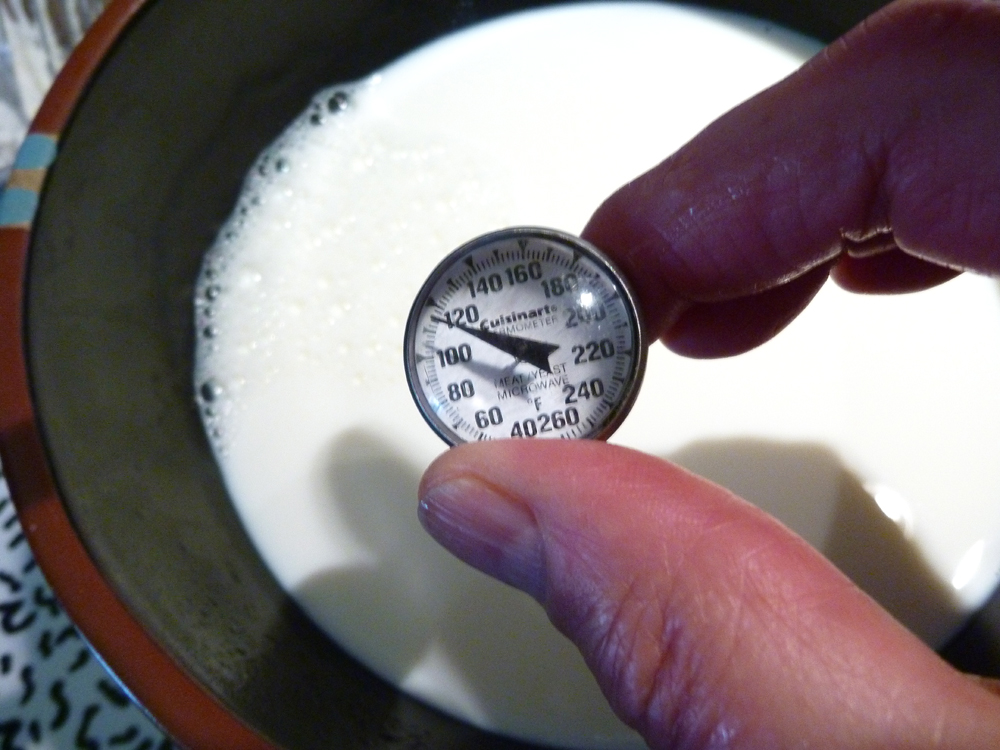
First, heat a quart of milk to about 130°, until it begins to form a skin.  Watch so that it doesn’t boil over. I have spent many minutes cleaning up my stovetop after a milk volcano erupted.  Pour into a large ceramic bowl or Mason quart jar and let cool to 115-118°. I use an instant read thermometer here. (At this temperature you can hold your finger in the milk for the count of five.  It will feel hot but tolerable.)

 In a small bowl combine 1/3 cup of the starter yogurt and a dipper-full of the warm milk and whisk until smooth.  Pour back into the large bowl or jar of milk and stir well. 

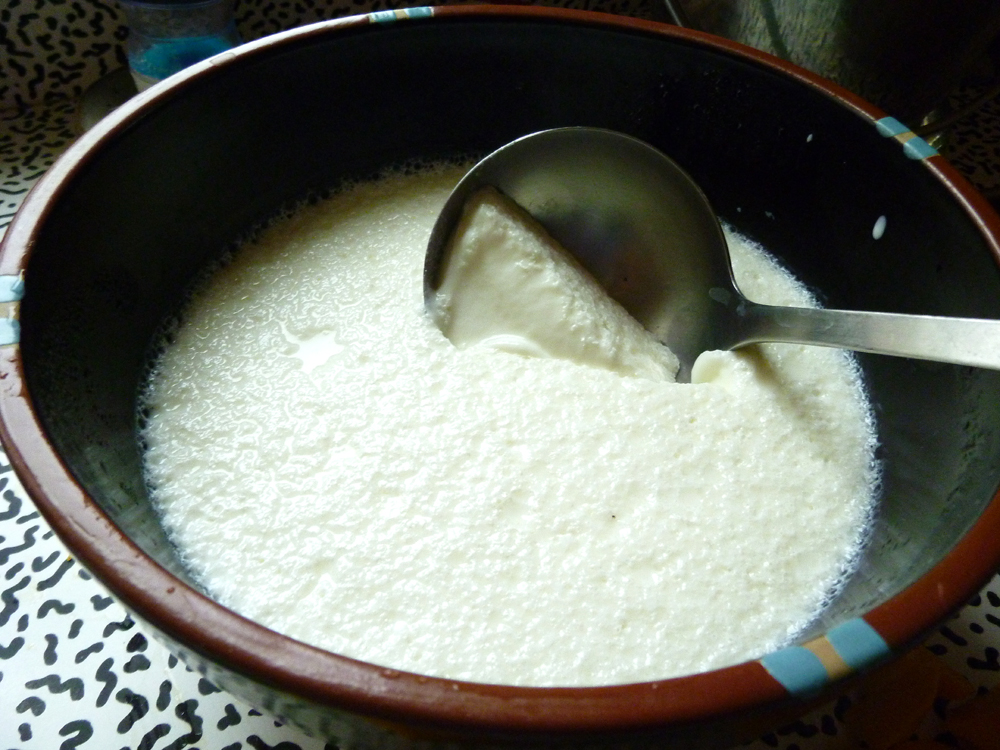
Cover with a plate or lid and place in a warm spot.  I use a picnic cooler into which I put a jar of boiling water to maintain the warmth. An oven with a pilot would be a nice warm spot too.  Leave for 6-8 hours until cultured and thickened.  Gently place the bowl or jar in the fridge and leave until firm – usually overnight.

From the Irish-green foothills of the Rockies, I send you my best wishes for a delicious and bountiful late spring.